Children in such a system discover that school is a chore, that it is to be minimized and avoided, and that their interests lie entirely outside of the institutional setting. In part this is true; the overly-institutionalized system we currently have is worth avoiding!
The Institutional Trap
The trouble comes when students (and parents) conflate this anti-institutionalism with anti-educationalism, and assume because they don’t like school, that they don’t like learning. In fact, they can’t imagine learning without school! “How will the children learn, unless they have public schools to go to!” the politicians wonder. The unfortunate result of 200 years of state-mandated compulsory attendance laws is that our mental model of learning has been shrunk into the cramped confines of the schoolhouse.
This is both eminently logical and totally reversible. The key antidote to the soul-crushing institutionalism that plagues the public school system is a return to learning “by the way” – learning integrated into all of life; learning that is intuitive and natural; learning that is exploratory, improvisatory, and informal; learning that is enjoyable and life-giving.
This emphatically does not mean “home schooling”, as if lifting and shifting the structures, processes, philosophy, and methods of the public school into private homes is somehow beneficial in itself; replicating the public school at home will only serve to destroy the home.
A Better Path

“These words that I command you today shall be on your heart. You shall teach them diligently to your children, and shall talk of them when you sit in your house, and when you walk by the way, and when you lie down, and when you rise. You shall bind them as a sign on your hand, and they shall be as frontlets between your eyes. You shall write them on the doorposts of your house and on your gates.”
Now, Moses is certainly not proposing an “educational philosophy”, as such (and I implore the reader to first and primarily apply this passage to interacting with your children about the nature and words of God), but the teaching nevertheless reveals things that are deeply true about humans and the way we teach and learn most effectively.
Core Principles of “By The Way” Learning
- Diligence: Teaching should be done with diligence. You will not find your teaching (or your children’s learning) to be effective unless it is done diligently. This means regularly, ongoingly, daily, commonly. You should not expect that a sporadic, inconsistent, haphazard approach to teaching will yield good results.
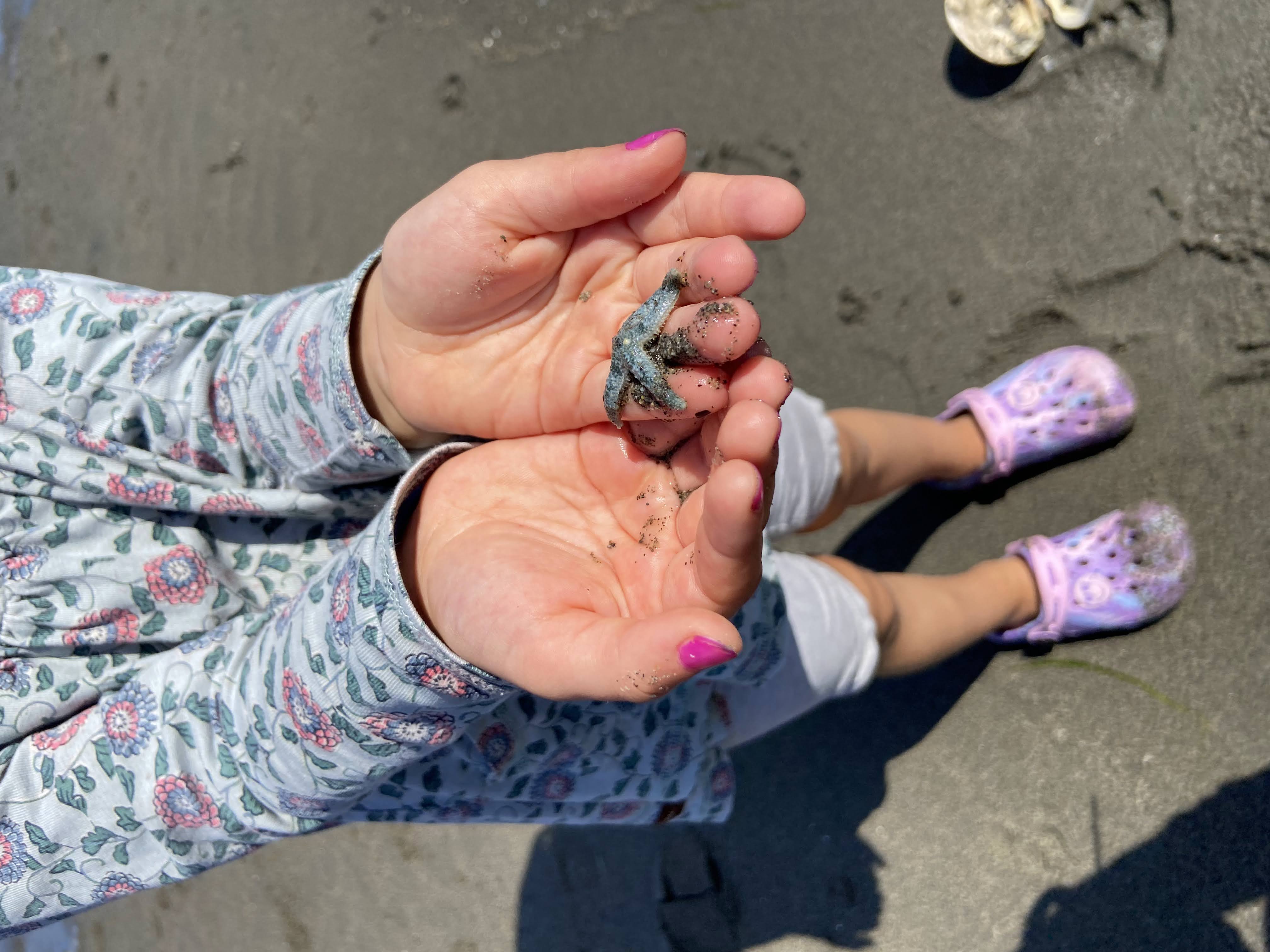
- Ubiquity: Teaching should be done with ubiquity. Rather than making a segregated “school room”, you should envision the entire scope of your life as a place where teaching and learning can and should occur. Learn in the kitchen, bathroom, bedroom, yard, park, forest, beach, and street. No location should be off limits for learning.
- Continuity: Teaching should be done with continuity. Rather than making distinct “school hours”, integrate every time of day into the process of learning. Learn when you wake up, when you sit to eat, when you chop the veggies, when you wash the dishes, when you brush your teeth, when you lie down to sleep.
The common proclamation, “School is done for the day!” kills the educational impulse and inappropriately cuts off the remaining hours from the atmosphere of learning.
Learning “by the way” means diligently pursuing a comprehensive educational environment, at every time, in every place. Our desire is that teaching and learning would be emancipated from the schoolhouse and breathe the free air of the full scope and breadth of life. May this vision become more and more true in your home as you seek to teach and learn “by the way”.